OCD therapy in Los Angeles
Over 5.5 million Californias have a mental health condition.*
We’re here to help.
Obsessive-compulsive disorder (OCD) is a mental health condition characterized by intrusive thoughts (obsessions) and repetitive behaviors or mental rituals (compulsions) that interfere with daily life.
OCD affects millions of people worldwide. Seeking professional OCD treatment is essential to prevent symptoms from worsening and to improve overall quality of life.
What is OCD?
OCD is a chronic mental health condition that involves persistent, intrusive thoughts (obsessions) and repetitive behaviors or mental rituals (compulsions) performed to reduce distress. These compulsive behaviors can disrupt daily activities, relationships, and overall well-being. Like many mental health conditions, OCD can range from mild to severe. Evidence-based treatment options, such as cognitive behavioral therapy (CBT) and exposure and response prevention (ERP), can help people manage OCD symptoms effectively.
Common symptoms include:
- Fatigue, muscle tension, restlessness, repetitive actions (e.g., excessive handwashing), and disrupted sleep patterns.
- Intrusive thoughts, obsessive fears, difficulty focusing, persistent doubts, mental rituals, and excessive need for reassurance.
- Intense fear, anxiety, guilt, distress, frustration, and emotional exhaustion.
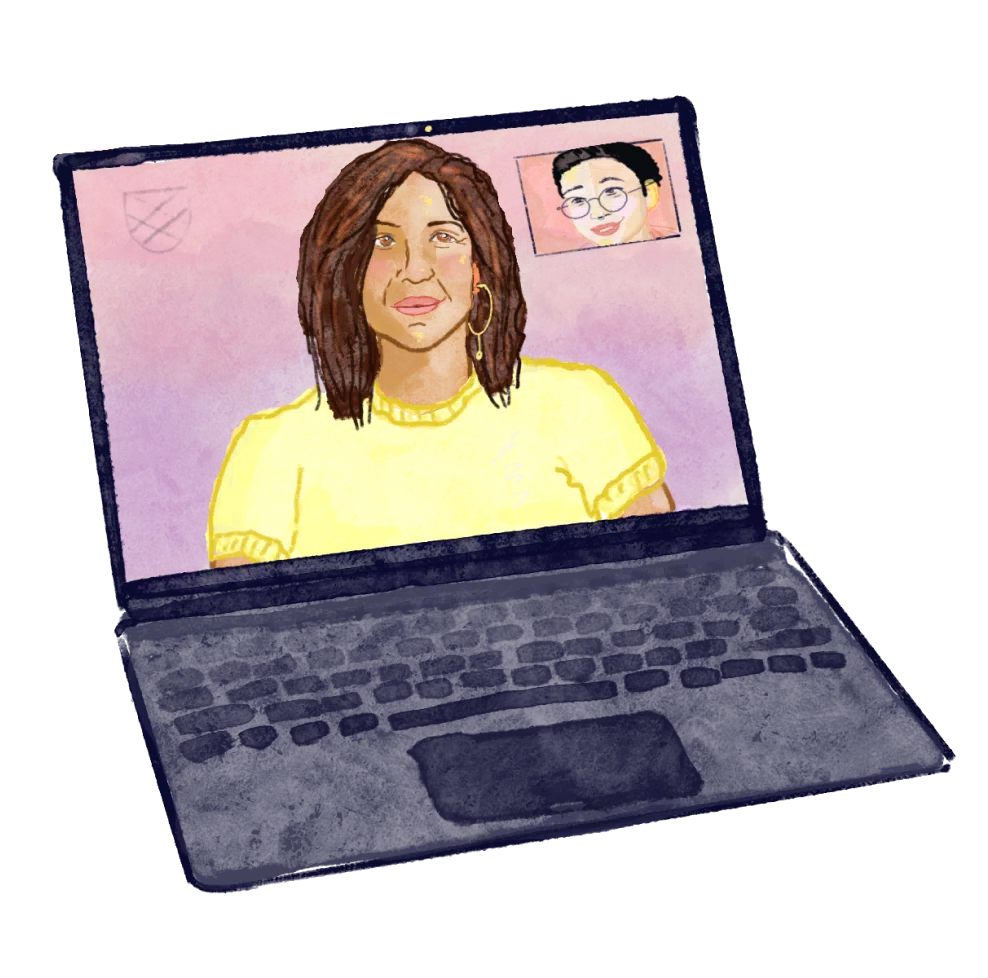
Getting started with OCD therapy in Los Angeles is simple

 Check your insurance
Call our Admissions Team 24/7 or fill out our quick form to learn more about our OCD therapy options in Los Angeles and verify your insurance
 Personalized match
Get connected with a clinical team that understands your needs
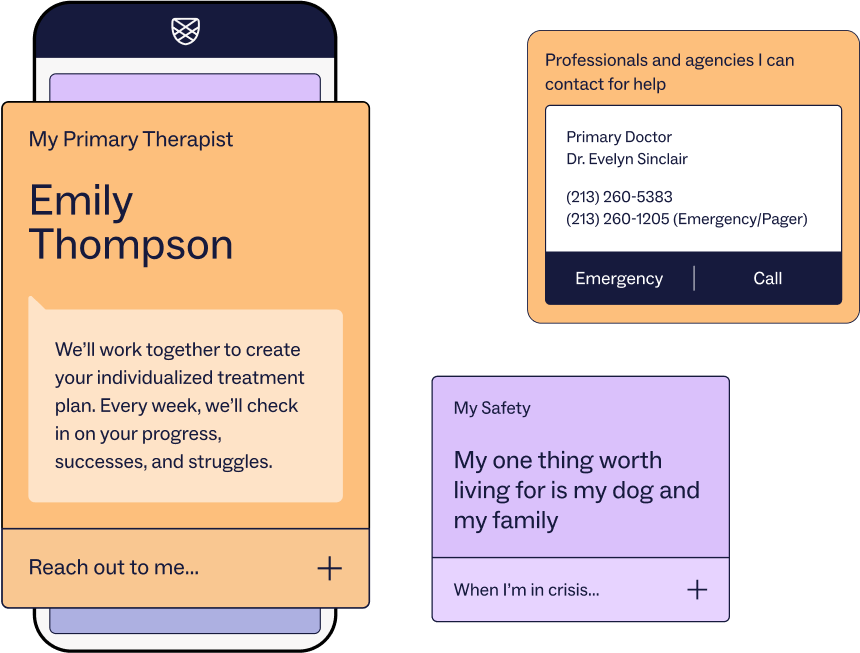
Personalized match
Get connected with a clinical team that understands your needs

 Start virtual IOP
OCD symptoms, causes, and treatment options
Key signs of OCD
OCD symptoms include persistent intrusive thoughts that cause distress and lead to compulsive behaviors performed in an attempt to reduce anxiety. People may engage in excessive cleaning, checking, counting, or repeating actions. Mental rituals, such as silent prayers or reviewing thoughts, are also common. When left untreated, severe OCD can significantly interfere with relationships, work, and personal well-being.
Primary causes of OCD
OCD is influenced by a combination of genetic, neurological, and environmental factors. Differences in brain structure and function, particularly in the prefrontal cortex and basal ganglia, can contribute to the disorder. Risk factors such as a family history of OCD, childhood trauma, or stressful life events can also play a role in its development.
Treatment options for OCD
OCD treatment typically includes cognitive behavioral therapy (CBT), specifically exposure and response prevention (ERP), which helps patients confront their fears and resist compulsions. In some cases, medication such as selective serotonin reuptake inhibitors (SSRIs) may be prescribed to help manage symptoms. Intensive outpatient programs (IOP) provide structured support for people with moderate to severe OCD who need additional guidance in managing their condition.
How Charlie Health treats OCD in Los Angeles
Individualized treatment plans
Evidence-based modalities
Multidisciplinary support
Immediate availability
Virtual access
In their words
“I came into Charlie Health on the rebound of another major breakdown in my mental health because of a variety of difficulties in my life. After 6 months of roadblock after roadblock trying to get into an outpatient program, I finally found Charlie Health, and they got me into orientation and group sessions within 2 days of my initial contact with them, which was bewildering after 6 months of struggle! I was initially assigned to a trauma-focused group, which was a wonderful experience, but for my own goals in the program, I chose to switch to the skills-focused group. I loved both of the groups I was in, and we all formed a bond and a small community pretty immediately. The support and companionship I received from my group over the weeks was invaluable. That, paired with the wonderful individual therapist I've had and a psychiatrist who was very supportive of and focused on my goals, made this program a WONDERFUL experience for me. Everyone in my life has told me how much brighter and more present I seem now, and I also feel that positivity about myself!”
-Samantha M., Charlie Health Alum
FAQS about OCD in Los Angeles at Charlie Health
See All FAQsWhat is OCD?
OCD is a mental health condition that involves intrusive thoughts and compulsive behaviors, often leading to distress and disruptions in daily life.
What are the common symptoms of OCD?
OCD symptoms include obsessive fears, intrusive thoughts, and compulsive behaviors such as excessive cleaning, checking, or repeating actions. Mental rituals, such as counting or reviewing thoughts, are also common. The severity of symptoms varies, with some people experiencing mild cases and others developing severe OCD that significantly impacts their daily routine.
How is OCD treated?
OCD treatment often includes cognitive behavioral therapy (CBT) and exposure and response prevention (ERP), which help people confront obsessive thoughts and resist compulsive behaviors. Medications may also be prescribed in some cases. For those needing structured care, intensive outpatient programs (IOP) provide a comprehensive approach to managing OCD symptoms.
Is OCD treatment available in Los Angeles?
Charlie Health provides comprehensive anxiety treatment in Los Angeles through virtual Intensive Outpatient Programs (IOP), allowing clients to receive personalized care from the comfort of home.
How do I start therapy for OCD at Charlie Health?
If you or a loved one are struggling with OCD, Charlie Health is here to help. Charlie Health’s virtual Intensive Outpatient Program (IOP) provides mental health treatment for people dealing with serious mental health conditions, including both the emotional and physical symptoms of OCD. Our expert clinicians incorporate evidence-based therapies into individual counseling, family therapy, and group sessions. With support, managing your mental health and healing from OCD is possible.
Ready to get started with virtual OCD therapy in Los Angeles with Charlie Health?
*World Health Organization