Published on January 7, 2026
Written by Sarah Fielding
Learn about sleep anxiety and how to manage it.

Clinically Reviewed by Brooke Cortez
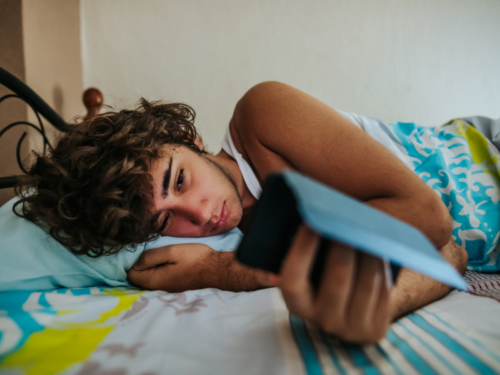
At one time or another, most people experience nighttime anxiety. It can feel frustrating, disrupt sleep, and fuel further worry. Sleep anxiety can be all the more distressing if it becomes a pattern, with anxiety causing poor sleep, which feeds back into anxiety.
However, understanding sleep anxiety can go a long way toward improving it. “Sleep and anxiety are deeply interconnected, and improvement in one often leads to improvement in the other,” says Charlie Health therapist Courtney Way, MA, LCAT. “It can be helpful to approach sleep difficulties with self-compassion rather than pressure, as striving too hard for sleep can increase anxiety.” Read on to learn more about sleep anxiety and how to manage it.
Nighttime anxiety isn’t just “bad sleep”
Learn how evidence-based care can help calm your mind and restore rest.
What are common symptoms of anxiety?
The first component is understanding what anxiety looks like. Anxiety is an umbrella term. According to the American Psychiatric Association (APA), there is a range of anxiety disorders a person might experience, including:
- Generalized anxiety disorder. It’s characterized by regular, excessive worry that can cause physical symptoms and interfere with everyday responsibilities.
- Panic disorder. A person will experience a panic attack, sometimes on a regular basis, that impacts their psychological and physical well-being.
- Phobias. Someone has an outsized, intense fear of a specific thing.
- Agoraphobia. This specific phobia applies to the fear of being stuck in a situation, even when experiencing panic.
- Social anxiety disorder. It’s characterized by excessive anxiety or intense fear of separating from a person the individual is attached to, beyond the level that is appropriate for their age.
Experts are unaware of the exact cause of anxiety disorders, but the APA states they are likely brought on by factors including genetics and a person’s environment. A person might also experience anxiety symptoms but not live with an anxiety disorder.
How anxiety levels impact sleep health
Each type of anxiety can impact sleep in different ways, but there are some widespread anxiety symptoms to be aware of that can have an effect. “The nervous system releases stress hormones like cortisol and adrenaline, which are meant to protect us — but they also make it hard to relax, slow down thoughts, and feel safe enough to sleep,” says Tairesha Flemister, LMSW, a Contemplative Practitioner at Charlie Health.
According to Way, anxiety symptoms that can impact a person’s sleep health include:
- Heightened state of arousal
- Racing thoughts
- Excessive worry
- Muscle tension
- Rapid heart rate
- Restlessness
- Vivid and distressing dreams
7 min read
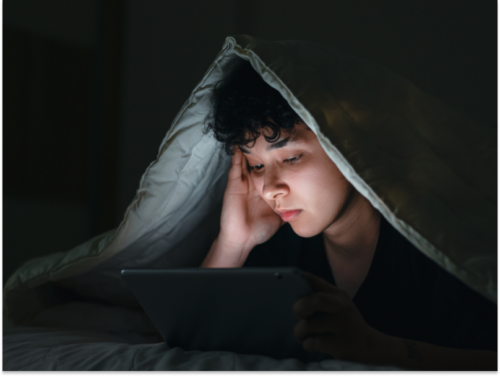
“Why Am I Anxious at Night?”: Contributing Factors and Ways to Get Help
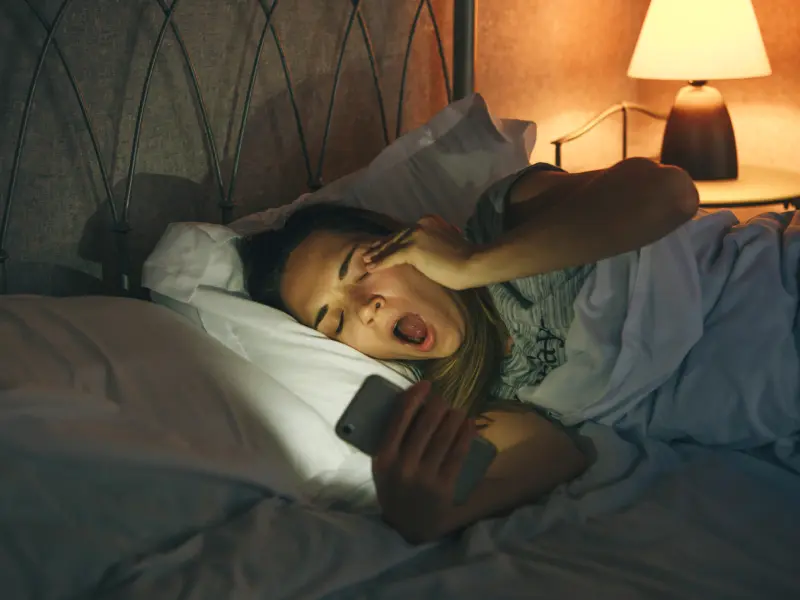
These symptoms might mean a person struggles to fall asleep, wakes up frequently, feels panic during the night, or wakes up tense, says Flemister. Way adds that ongoing hyperarousal might cause someone to experience chronic insomnia or poor sleep quality.
How sleep impacts anxiety
In a difficult chicken-and-egg situation, worrying about not getting enough sleep can cause more nighttime anxiety, which, in turn, makes a person have poor sleep, which then increases their anxiety and so on.
Sleep loss can fuel difficult emotions. “When sleep-deprived, the brain’s ability to manage fear and worry is reduced, often leading to heightened irritability, increased rumination, and increased threat perception,” explains Way.
Flemister adds that sleep is a necessary time for the brain to process and reset. Sleep deprivation can cause:
- Increased worry and fear
- Heightened emotional reactions
- Difficulty focusing or calming down
- Lower window of tolerance
- More physical anxiety symptoms, such as a tight chest or rapid heartbeat
Sleep anxiety management techniques
Fortunately, there are many ways to address sleep anxiety symptoms, reduce sleep disruption, and improve anxiety.
1. Do relaxation practices
Deep breathing exercises, progressive muscle relaxation, and meditation can all help to calm down the mind and body, says Charlie Health Group Facilitator Nicole Lonano, M.S., making it easier to sleep soundly.
2. Create a calming bedtime routine
Dedicate your bed to sleeping as best as you can. Lonano recommends making your room dark and cold, removing screens, and doing something relaxing like reading a book.
This routine also includes keeping a sleep schedule that involves going to bed every night and waking up at around the same time each day to regulate the internal clock, adds Way.
3. Clear your mind
Each of the experts recommends taking some time before bed to write down thoughts, worries, and anxieties, instead of allowing them to ruminate.
4. Engage the senses
Help make the body feel secure by using things such as weighted blankets, listening to calm music, nice scents, and white noise, says Flemister. A person might also benefit from listening to a relaxing podcast that distracts their mind.
5. Avoid stimulants
Lonano and Way caution against using stimulants like alcohol or caffeine close to bedtime, as they can make it more challenging to fall asleep.
6. Try gentle exercise
Moving the body, even a little, can make a big difference in reducing anxiety levels and improving sleep quality, says Lonano.
7. Get out of bed if necessary
Lying in bed, frustrated about not being able to sleep, is only going to add stress. Get out of bed and do something relaxing in another room to quiet the mind until sleepiness takes over.
8. Consider sleep aids
There are so many ways to calm down the body, such as drinking a cup of herbal tea or taking a hot shower or bath before bed, says Flemister. Purchasing items like weighted blankets might also prove beneficial for getting better sleep, adds Way.
In some cases, a person might take supplements or prescribed sleep medicine to support quality sleep. According to Flemister, common supplement options include magnesium glycinate, which can relax muscles and the nervous system, or melatonin, which can help a person have natural, good sleep rhythms.
However, it’s critical that any supplements are taken under the guidance of a medical professional. “Consult a physician for use of over-the-counter medication, supplements, and prescribed medications for sleep aids,” says Lonano.
How Charlie Health can help
If you or a loved one are struggling with insomnia or sleep anxiety, Charlie Health is here to help. Charlie Health’s virtual Intensive Outpatient Program (IOP) provides more than once-weekly mental health treatment for dealing with serious mental health conditions, including anxiety disorders. Our expert clinicians incorporate evidence-based therapies into individual counseling, family therapy, and group sessions. With treatment, managing anxiety is possible. Fill out the form below or give us a call to start healing today.
https://www.psychiatry.org/patients-families/anxiety-disorders/what-are-anxiety-disorders