
Opioid use disorder treatment for teens and adults
Opioid use disorder is treatable, and Charlie Health can help. If you or someone you love is struggling with opioid addiction, fill out our quick online form or call us to get started with our virtual Intensive Outpatient Program (IOP) today.

Clinically reviewed by Heather Gray Olney, LCSW-S, LIMHP, LICSW
Last updated: July 2026
What is opioid use disorder?
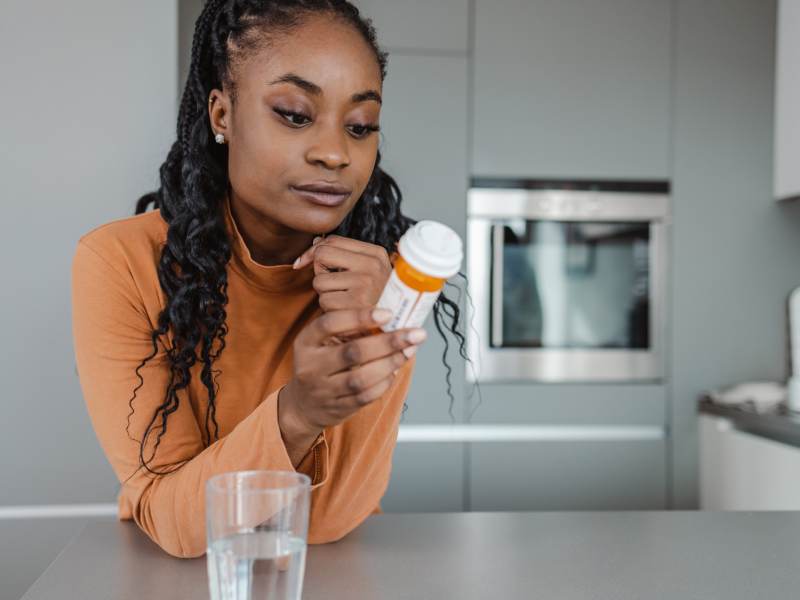
Opioid use disorder (OUD) — often called opioid addiction — happens when opioid use becomes difficult to control and starts causing real harm to a person's health or daily life. A class of drugs that block pain signals in the brain and body, opioids include prescription pain relievers like oxycodone and hydrocodone, as well as illicit drugs like heroin and fentanyl. OUD can develop even when opioids are taken exactly as prescribed, since they're both effective for pain relief and highly addictive.
Like other substance use disorders, OUD is a chronic, treatable condition, not a personal failing. Prescription drug addiction involving opioids can also progress to heroin or fentanyl use over time. If you think you or someone you love might be struggling with opioid addiction, we can help.

How is opioid use disorder treated?
Opioid use disorder is treated with a combination of medication, therapy, and peer support. Medication for opioid use disorder (MOUD) — including buprenorphine, methadone, and naltrexone — is considered one of the most effective treatment approaches to ease withdrawal symptoms and reduce cravings. Therapies like cognitive behavioral therapy (CBT) and motivational interviewing help address the thoughts and behaviors behind opioid use and build long-term coping skills.
At Charlie Health, our licensed Clinical Team builds a personalized plan for each client. Our virtual IOP is designed for people who are medically stable — meaning they’ve already completed detox or withdrawal. Medication assisted treatment is available in select states and can be incorporated into either an abstinence-based or harm reduction approach, depending on each client’s goals.

58%
of clients in our substance use disorder program reported a decrease in substance use at discharge.
What to look for
What are opioid use disorder symptoms?
Signs of opioid addiction can look different from person to person. Opioid use disorder ranges from mild to severe, and showing more of these signs generally points to greater severity.

Behavioral
- Taking more opioids, or for longer, than intended
- Repeated attempts to cut back or stop without success
- Spending more time obtaining, using, or recovering from opioids
- Continuing to use despite it interfering with work, school, or home life
- Using opioids in unsafe situations or without a prescription

Physical
- Needing more opioids over time to feel the same effect
- Withdrawal symptoms, like muscle aches, nausea, sweating, or anxiety, when not using
Emotional and cognitive
- Strong cravings or urges to use
- Using opioids to cope with stress, sadness, or anxiety
- Continuing to use opioids despite ongoing relationship or social problems
If you or someone you know is in crisis, call or text 988. Call 911 if there is immediate danger.
How is opioid use disorder diagnosed?
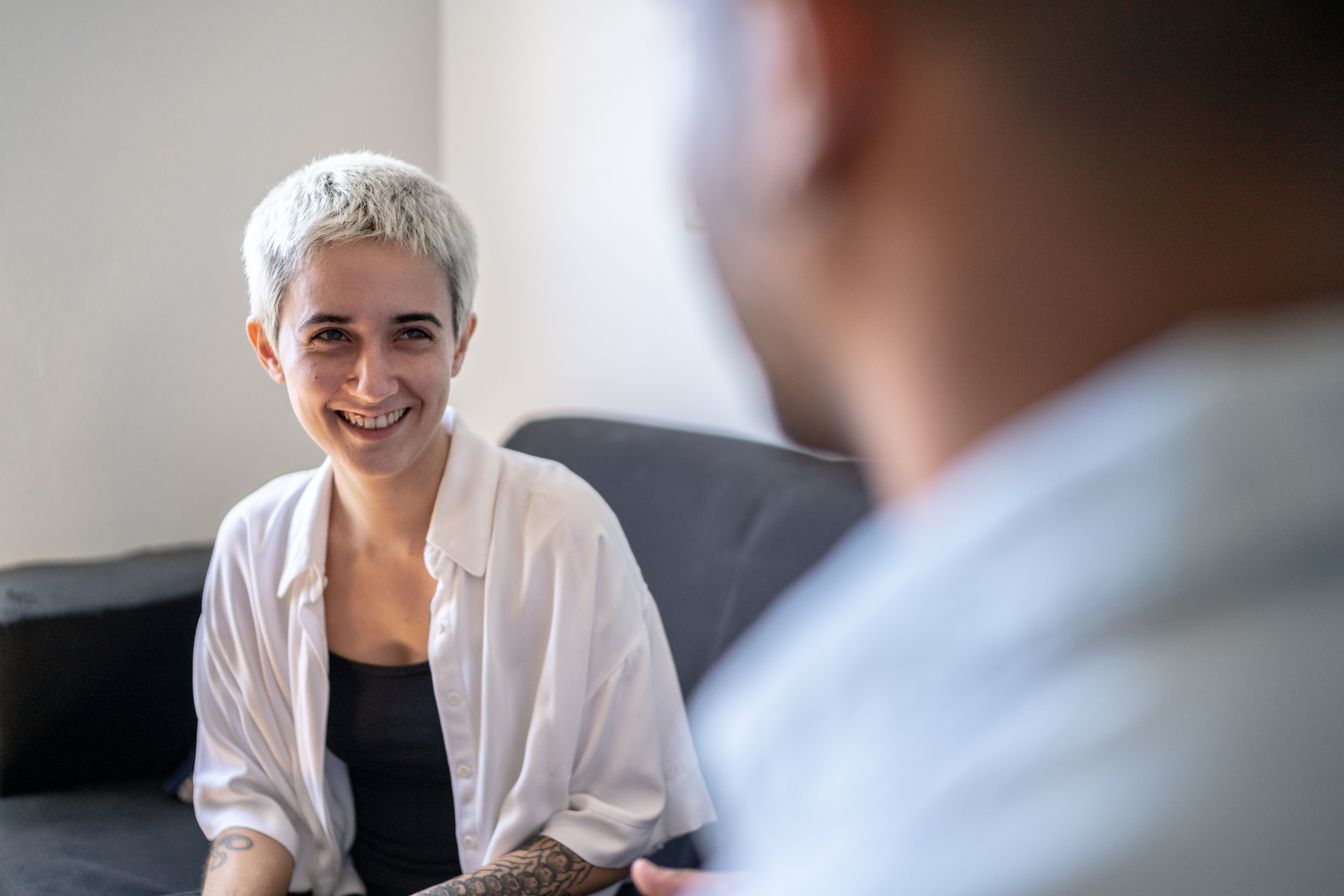
Diagnosis typically begins with an honest conversation with a licensed clinician about your opioid use — how often, how much, and what impact it's had on your health, relationships, and daily life. From there, clinicians rely on DSM-5 criteria to determine whether opioid use disorder is present, and if so, how severe it is.
At Charlie Health, a Clinical Admissions Therapist conducts a comprehensive assessment to understand your history with opioid use, any co-occurring mental health conditions, and what kind of support would help most — before building a treatment plan made for you.

How to get started
How to start opioid use disorder treatment with Charlie Health
Getting started with Charlie Health is simple. Our team is here 24/7 to answer your questions and make sure you always know what to expect.
-
01
Contact us
Fill out a quick online form or call the Admissions Team, available 24/7.
-
02
Get your plan
After assessing your needs, we'll build a personalized treatment plan.
-
03
Start treatment
Meet your peers and Primary Therapist within days.
Opioid use disorder treatment covered by 600+ insurance plans


Latest resources on addiction
Read and explore ideas across mental health, treatment, and recovery.
-

How Does Weed Affect Bipolar Disorder Symptoms?
-
How Can You Help an Alcoholic?
-
Want to Quit Smoking Weed? Here’s a Guide
-
What Is Behavioral Health?
-
Can Suboxone Become Addictive?
-
What Are the Long-Term Side Effects of Low-Dose Naltrexone?
-
What’s the Difference Between a Psychiatric Mental Health Nurse Practitioner and a Psychiatrist?
-
Can You Drink Alcohol on Antidepressants?






FAQs
FAQs about opioid use disorder
We’re always here.
Fill out our form, or call us directly to find out if we’re right for you. Our intake team is available 24/7.
Sources
- MedlinePlus — https://medlineplus.gov/opioidsandopioidusedisorderoud.html
- NIDA — "Prescription Opioids DrugFacts" — https://nida.nih.gov/publications/drugfacts/prescription-opioids
- NIDA — "Medications for Opioid Use Disorder" — https://nida.nih.gov/research-topics/medications-opioid-use-disorder
- NIDA — "Opioids" (research topic overview) — https://nida.nih.gov/research-topics/opioids
- NIDA — "Fentanyl" — https://nida.nih.gov/research-topics/fentanyl
- American Psychiatric Association (Psychiatry.org) — "Opioid Use Disorder" — https://www.psychiatry.org/patients-families/opioid-use-disorder